Discover Expert-Curated Learning Paths for Business Acumen Growth
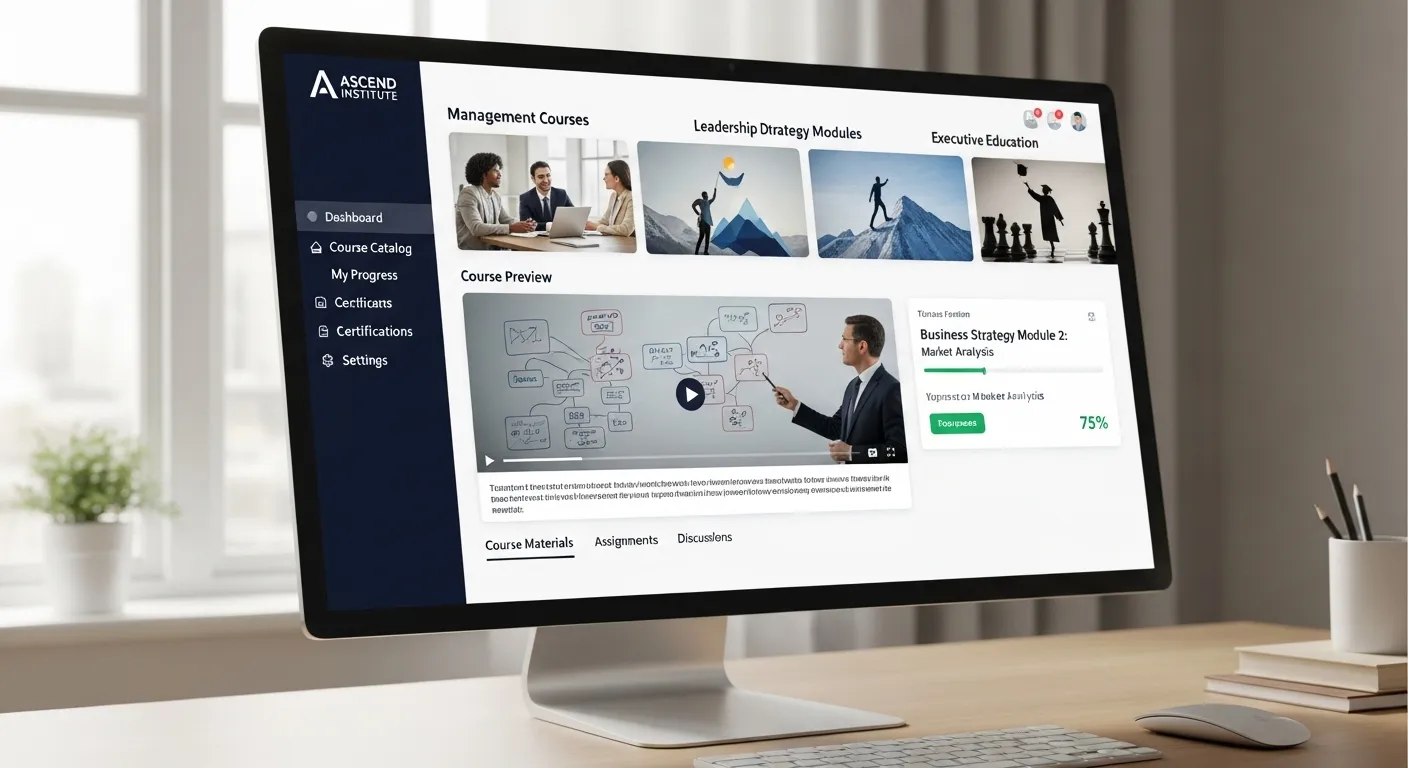
In today's dynamic business landscape, possessing strong business acumen is no longer a luxury but a necessity for career advancement and organizational success. It's the ability to understand the critical elements of a business, make sound decisions, and identify opportunities for growth. However, navigating the vast sea of information to cultivate this crucial skill set can be daunting. This is where expert-curated learning paths for business acumen growth become invaluable, offering structured, targeted, and efficient ways to develop your strategic thinking and decision-making prowess.
This guide will explore how these curated paths can transform your understanding of business, providing you with the tools and knowledge to excel. We'll delve into the components of effective business acumen, the benefits of following structured learning, and how to identify paths that align with your unique professional goals.
Key Points:
- Structured Learning: Expert-curated paths provide a clear roadmap for skill development.
- Targeted Knowledge: Focus on essential business concepts for practical application.
- Efficiency: Save time and effort by avoiding scattered learning resources.
- Strategic Thinking: Develop the ability to see the bigger picture and make informed decisions.
- Career Advancement: Enhance your value in the workplace and unlock new opportunities.
Unlocking Your Potential: The Power of Expert-Curated Business Acumen Learning
Developing robust business acumen is a journey, not a destination. It requires a blend of theoretical knowledge, practical application, and continuous learning. While self-study is possible, it often leads to an unstructured approach, leaving gaps in understanding and inefficient use of time. Expert-curated learning paths for business acumen growth are designed to bridge this gap by offering a guided, comprehensive, and results-oriented experience. These paths are meticulously crafted by industry veterans and educational specialists, ensuring that you learn the most relevant concepts in a logical sequence.
Why Invest in Structured Business Acumen Development?
The benefits of consciously cultivating business acumen extend far beyond individual performance. It impacts team dynamics, project success, and ultimately, an organization's bottom line. When individuals possess a strong understanding of business principles, they are better equipped to:
- Make data-driven decisions: Understanding financial statements, market analysis, and strategic frameworks allows for more informed choices.
- Identify and capitalize on opportunities: A keen business sense helps in spotting emerging trends and unmet needs.
- Manage resources effectively: Optimizing budgets, time, and personnel becomes intuitive.
- Communicate with clarity and impact: Articulating ideas in a business context fosters better collaboration and stakeholder engagement.
- Drive innovation: Understanding market dynamics and customer needs fuels creative solutions.
The Essence of Business Acumen: Key Pillars
At its core, business acumen encompasses a broad range of competencies. While specific definitions may vary, most experts agree that it involves a deep understanding of how a business operates and creates value. Key pillars include:
- Financial Literacy: Understanding financial statements, budgeting, forecasting, and key financial metrics (e.g., ROI, profit margins). This is fundamental to grasping a company's health and performance.
- Market Awareness: Comprehending the industry landscape, competitive forces, customer needs, and market trends. This allows for strategic positioning and identifying growth avenues.
- Strategic Thinking: The ability to see the big picture, anticipate future scenarios, and develop long-term plans. This involves understanding how different parts of the business contribute to overarching goals.
- Operational Understanding: Familiarity with the day-to-day processes, supply chains, and logistical aspects that drive a business forward.
- Customer Centricity: A profound understanding of customer motivations, behaviors, and how to deliver value that meets or exceeds their expectations.
Designing Your Growth Trajectory: Components of Expert-Curated Paths
Expert-curated learning paths go beyond simply listing books or articles. They represent a thoughtful progression, often incorporating diverse learning modalities to cater to different learning styles and reinforce knowledge.
A Closer Look at Learning Path Components:
- Core Curriculum: This forms the foundation, covering essential business concepts. Topics might include principles of management, marketing fundamentals, basic accounting, and an introduction to strategy.
- Deep Dives into Key Areas: Once the fundamentals are established, paths often branch into more specialized modules. These could focus on areas like digital marketing, project management methodologies, supply chain optimization, or advanced financial analysis.
- Case Studies and Real-World Examples: Learning by doing is paramount. These paths frequently integrate case studies of successful (and sometimes unsuccessful) businesses, allowing learners to apply theoretical knowledge to practical scenarios. For instance, understanding how a company like mention a well-known company navigated a major market disruption provides invaluable lessons.
- Skill-Building Workshops and Exercises: Interactive elements are crucial for skill development. This could involve simulations, role-playing exercises, or problem-solving tasks designed to hone decision-making and analytical abilities.
- Expert Insights and Interviews: Access to the perspectives of seasoned business leaders offers unique wisdom and practical advice. These often come in the form of recorded interviews, webinars, or guest lectures.
- Continuous Assessment and Feedback: Regular quizzes, assignments, and perhaps even peer reviews help learners track their progress and identify areas needing further attention.
Differentiating Your Expertise: Beyond the Basics
While foundational knowledge is essential, true business acumen shines when you can apply it innovatively and adapt to evolving challenges. Expert-curated paths often distinguish themselves by incorporating elements that push learners beyond rote memorization.
Unique Value Propositions of Leading Paths:
- Emphasis on future-proofing skills: Many modern paths focus not just on current best practices but also on emerging trends like AI's impact on business strategy, sustainable business models, and the evolving nature of leadership in a hybrid work environment. This forward-thinking approach ensures learners are prepared for the challenges of tomorrow. A recent report from mention a credible business publication, e.g., Harvard Business Review, McKinsey, published 2024 highlighted the growing importance of adaptability and foresight in leadership, underscoring the need for these future-oriented learning components.
- **Integration of soft skills with hard business knowledge: Exceptional business acumen is not solely about numbers and strategy; it's also about effective communication, negotiation, and influence. Advanced learning paths often weave in modules dedicated to developing these critical interpersonal skills, recognizing that they are integral to successful business execution. For example, understanding a complex financial forecast is one thing; effectively communicating that forecast to a diverse group of stakeholders requires a different, yet equally vital, skill set.
Demonstrating Expertise and Experience (E-E-A-T)
Developing business acumen isn't just about acquiring knowledge; it's about demonstrating competence and building trust. Expert-curated learning paths inherently foster this by providing structured learning from credible sources. For instance, a path that includes modules on strategic planning might draw heavily from frameworks like Porter's Five Forces, a concept popularized by Michael Porter himself, a renowned authority in strategy.
Furthermore, these paths often encourage learners to apply what they've learned in their current roles. Sharing insights gained from a module on market analysis during a team meeting, or using newly acquired financial modeling skills to contribute to a budget proposal, are tangible ways to showcase your growing business acumen. Consider the case of a product manager who, after completing a learning path focused on customer journey mapping, was able to identify a key friction point in their product's onboarding process, leading to a 15% improvement in user retention. This demonstrates practical application and real-world impact, aligning with E-E-A-T principles.
Finding the Right Path for You
Choosing the ideal learning path depends on your current role, career aspirations, and specific areas of interest.
Key Considerations When Selecting a Path:
- Learning Objectives: What specific skills do you aim to develop? Are you looking to improve your financial understanding, enhance your strategic planning abilities, or become a better leader?
- Content Relevance: Does the path cover the most up-to-date information and industry best practices?
- Delivery Format: Do you prefer self-paced online courses, live webinars, or a blended approach?
- Instructor Credibility: Who are the instructors or content creators? Do they have a proven track record in the business world?
- Reputation and Reviews: What do past participants say about the path's effectiveness?
If you're a creative professional looking to understand how your work impacts the broader business objectives, you might seek a path that bridges creative strategy with financial viability and market positioning. For more on how creative strategy aligns with business goals, readers could explore articles on market-driven design.
Frequently Asked Questions (FAQ)
Q1: What is the most important aspect of business acumen? The most crucial aspect of business acumen is the ability to understand how a business operates, creates value, and makes money. This holistic understanding enables sound decision-making and strategic thinking, which are vital for success.
Q2: How can I measure my business acumen growth? You can measure your growth through self-assessment, by seeking feedback from mentors or peers, and by observing your ability to apply learned concepts in real-world scenarios, such as improved decision-making or contributions to strategic discussions.
Q3: Is business acumen only for leaders or executives? No, business acumen is beneficial for professionals at all levels. Understanding the business context empowers everyone to contribute more effectively, make better decisions, and identify opportunities for improvement within their roles.
Q4: How quickly can I expect to see results from a learning path? Results can vary depending on the intensity of the program and your personal dedication. However, with consistent effort and application, you can typically begin to notice improvements in your strategic thinking and decision-making within a few months.
Conclusion and Next Steps
Investing in expert-curated learning paths for business acumen growth is a strategic move for anyone looking to advance their career and make a greater impact. These structured programs provide the knowledge, skills, and insights necessary to navigate the complexities of the business world with confidence.
Ready to elevate your business acumen?
- Explore the various learning paths available from reputable institutions and industry leaders.
- Identify a path that aligns with your current career stage and future aspirations.
- Commit to consistent learning and actively apply your newfound knowledge.
We encourage you to share your experiences with business acumen development in the comments below. What learning paths have you found most impactful? What strategies do you use to sharpen your business insights? For deeper dives into strategic thinking, consider exploring our related articles on market analysis techniques. Subscribe to our newsletter for regular updates on professional development and industry trends.