Expert Recommendations for Online Courses to Boost Your Career
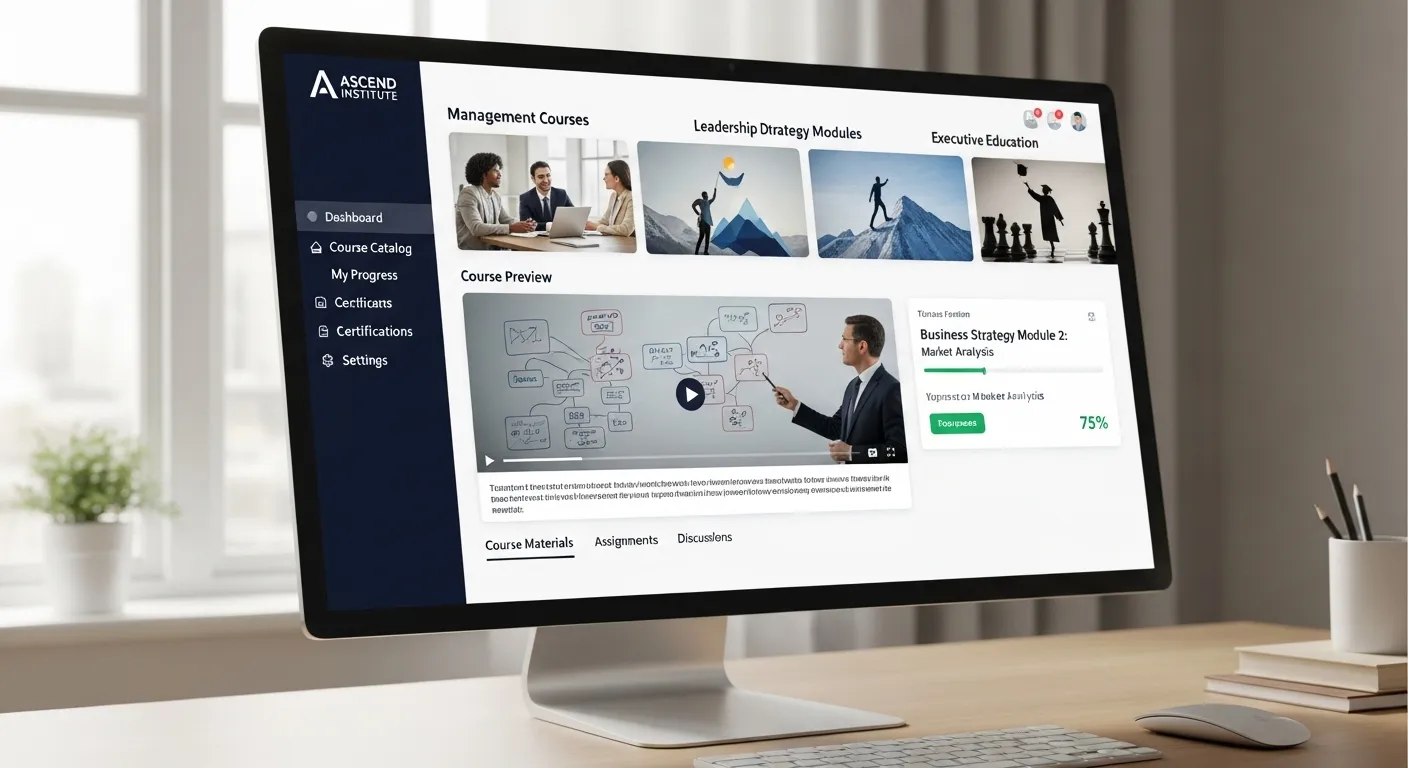
Expert Recommendations for Online Courses to Boost Your Career
In today's rapidly evolving professional landscape, continuous learning is no longer a luxury but a necessity. Acquiring new skills and staying abreast of industry advancements is crucial for career growth and personal development. Online courses have emerged as a flexible, accessible, and highly effective avenue for professionals to upskill and reskill. This guide offers expert recommendations for online courses designed to significantly boost your career trajectory, covering in-demand areas and actionable strategies for selecting the right programs.
Key Points:
- Identify your career goals: Determine which skills align with your aspirations.
- Focus on in-demand skills: Prioritize areas with strong market relevance.
- Choose reputable platforms: Opt for well-established providers with proven track records.
- Consider course format and flexibility: Select programs that fit your learning style and schedule.
- Look for practical application: Prioritize courses that offer hands-on projects and real-world case studies.
Why Investing in Online Courses is Key for Career Advancement
The digital revolution has reshaped industries, demanding a workforce that is adaptable and equipped with contemporary skills. Traditional education often lags behind the pace of innovation, making online courses the ideal solution for bridging this gap. They provide specialized knowledge that can directly impact your performance, open doors to new opportunities, and increase your earning potential. By strategically choosing courses, you can differentiate yourself in a competitive job market and gain a significant edge.
The core value of engaging with online learning lies in its ability to deliver targeted education without the constraints of time or location. This allows professionals to seamlessly integrate learning into their busy lives. Whether you aim to transition into a new field, climb the corporate ladder, or simply enhance your current role, a well-chosen online course can be a powerful catalyst.
Benefits of Strategic Online Learning
- Skill Enhancement: Acquire specific technical or soft skills sought by employers.
- Career Transition: Gain foundational knowledge and practical experience for a new industry.
- Increased Employability: Stand out with certifications and demonstrated expertise.
- Adaptability: Stay relevant in a constantly changing professional environment.
- Networking Opportunities: Some platforms offer forums and communities for interaction.
In-Demand Skills: Expert Recommendations for Online Course Topics
Identifying the skills that are most valued by employers is the first step towards making an informed decision about your online learning journey. Based on current industry trends and expert forecasts, certain domains consistently show high demand. These areas often intersect with technology, data, and strategic business practices.
1. Data Science and Analytics
The ability to interpret and leverage data is paramount in almost every sector. Data science courses are highly recommended for their direct applicability to business intelligence, marketing, finance, and beyond.
- Key Sub-topics:
- Machine Learning: Understanding algorithms and predictive modeling.
- Data Visualization: Tools like Tableau or Power BI to communicate insights effectively.
- Statistical Analysis: Core principles for data interpretation.
- Programming Languages: Python and R are essential for data manipulation.
A recent report from the Burning Glass Institute (2024) highlighted that job postings requiring data analysis skills have significantly increased, demonstrating a persistent and growing demand. Companies are actively seeking professionals who can translate raw data into actionable strategies.
- Differentiated Value: While many courses cover the basics, look for programs that emphasize ethical AI and data privacy, reflecting growing concerns and regulations. Courses focusing on explainable AI (XAI) are also gaining traction, offering deeper insights into how models arrive at their conclusions.
- Potential Internal Link Opportunity: Readers interested in this topic might also find articles on "Leveraging Big Data for Business Growth" to be beneficial.
2. Digital Marketing and E-commerce
As businesses increasingly operate online, expertise in digital marketing is indispensable. Online courses in digital marketing can equip you with the tools to drive online growth, engage customers, and manage digital campaigns.
- Key Sub-topics:
- Search Engine Optimization (SEO): Improving website visibility in search results.
- Content Marketing: Creating and distributing valuable content.
- Social Media Marketing: Strategies for engagement and brand building.
- Paid Advertising (PPC): Managing campaigns on platforms like Google Ads and social media.
- E-commerce Management: Platform knowledge and customer journey optimization.
The global e-commerce market is projected to continue its robust growth, as indicated by data from Statista (2025), making skilled digital marketers essential for businesses aiming to capture market share.
- Differentiated Value: Beyond standard digital marketing, consider courses focusing on marketing automation and customer data platforms (CDPs). These advanced topics address the need for personalized customer experiences at scale and are becoming critical for competitive advantage.
- Potential Internal Link Opportunity: For those looking to deepen their understanding, exploring resources on "The Future of E-commerce and Consumer Behavior" would be a valuable next step.
3. Cloud Computing and Cybersecurity
The migration to cloud infrastructure and the increasing threat landscape make expertise in cloud computing and cybersecurity highly sought after. Online certifications in cloud platforms and cybersecurity courses are excellent investments for career security and advancement.
- Key Sub-topics:
- Cloud Platforms: AWS, Azure, Google Cloud – administration and architecture.
- Network Security: Protecting data and systems from breaches.
- Risk Management: Identifying and mitigating security vulnerabilities.
- Ethical Hacking: Understanding attack vectors to strengthen defenses.
- Compliance and Governance: Navigating regulatory landscapes.
Gartner's predictions (2024) indicate continued substantial growth in cloud services spending, underscoring the need for professionals skilled in managing and securing these environments. Similarly, cybersecurity threats are escalating, driving demand for protective expertise.
- Differentiated Value: Look for courses that integrate DevOps principles with cloud management, as this convergence is key to efficient and secure cloud operations. For cybersecurity, focus on threat intelligence and incident response specializations, as these address proactive and reactive security needs.
- Potential Internal Link Opportunity: Readers interested in this area might benefit from further exploration of "Securing Your Digital Assets in the Cloud Age."
4. Project Management and Agile Methodologies
Effective project management is the backbone of successful business operations. Online courses in project management can help you develop the skills to lead teams, manage resources, and deliver projects on time and within budget.
- Key Sub-topics:
- Agile Frameworks: Scrum, Kanban for iterative development.
- Risk Assessment and Mitigation: Planning for and addressing potential project roadblocks.
- Stakeholder Management: Communication and expectation alignment.
- Project Management Software: Proficiency in tools like Asana, Trello, or Jira.
The Project Management Institute (PMI) consistently reports a high demand for certified project managers across industries, highlighting the enduring importance of these skills.
- Differentiated Value: While traditional project management is valuable, emphasize courses that offer hybrid project management approaches, combining predictive and agile elements. Understanding how to manage projects in complex, distributed team environments is also a critical modern skill.
- Potential Internal Link Opportunity: For those managing teams, information on "Effective Leadership Strategies for Remote Teams" could complement project management training.
Choosing the Right Online Course: A Practical Guide
With a plethora of options available, selecting the best online courses for career boost requires a thoughtful approach. It’s not just about the subject matter, but also the provider, the delivery method, and the tangible outcomes.
Factors to Consider:
- Course Provider Reputation:
- Look for well-known universities, industry leaders, or established online learning platforms.
- Reputable sources: Coursera, edX, Udacity, LinkedIn Learning, reputable industry bodies.
- Curriculum and Learning Objectives:
- Does it align with your goals? Are the topics current and relevant?
- Check for detailed syllabi and learning outcomes.
- Instructor Expertise:
- Are the instructors industry professionals or academics with relevant experience?
- Read instructor bios and student reviews.
- Format and Flexibility:
- Self-paced vs. instructor-led? Live sessions vs. recorded lectures?
- Consider your personal learning style and availability.
- Practical Application and Projects:
- Does the course include hands-on projects, case studies, or simulations?
- Real-world application is crucial for skill retention and demonstration.
- Certification and Recognition:
- Does the course offer a recognized certificate upon completion?
- Some certifications are highly valued by employers.
- Cost and Return on Investment (ROI):
- Evaluate the course cost against the potential career benefits.
- Consider free or lower-cost introductory courses to test the waters.
Beyond the Curriculum: Building Expertise and Networks
Completing an online course is just the beginning. To truly boost your career with online courses, you need to actively apply what you've learned and leverage the experience.
Applying Your New Skills
- Work on Personal Projects: Apply new skills to a personal project to build a portfolio.
- Volunteer: Offer your new skills to non-profits or community organizations.
- Seek Opportunities at Work: Identify ways to implement your learned skills in your current role.
- Contribute to Open Source: If applicable, contribute to relevant open-source projects.
Networking and Community Engagement
Many online learning platforms offer forums or communities. Actively participate in these to connect with instructors and fellow learners. This can lead to valuable insights, collaborations, and even job leads. Building a professional network is just as important as acquiring knowledge.
- Differentiated Value: Actively seek out courses that facilitate peer-to-peer learning and collaborative projects. This simulates real-world teamwork and can significantly enhance your networking opportunities. Engaging with online forums and LinkedIn groups related to your course subject matter is also vital.
- Potential Internal Link Opportunity: To further enhance professional connections, readers might explore topics related to "Effective Professional Networking Strategies."
Frequently Asked Questions about Boosting Your Career with Online Courses
Q1: How do I choose between a free online course and a paid one? Free courses are great for exploring new subjects or gaining introductory knowledge. Paid courses often offer more in-depth content, hands-on projects, instructor support, and recognized certifications, which can provide a better ROI for career advancement.
Q2: What is the typical time commitment for an online course aimed at career development? This varies widely, but professional development courses typically range from a few hours for short workshops to several months for comprehensive certification programs. Plan for a few hours of study per week, depending on the course's intensity and your learning pace.
Q3: Can online courses guarantee a job promotion or a new job? While no course can guarantee a promotion or job, they significantly enhance your qualifications, skill set, and marketability. Employers value demonstrated skills and continuous learning, making you a more attractive candidate for new roles or internal advancement.
Q4: How can I demonstrate the skills I've learned from an online course to potential employers? Build a portfolio showcasing projects completed during the course. Highlight relevant certifications on your resume and LinkedIn profile. Be prepared to discuss specific projects and how you applied your new skills during job interviews.
Conclusion: Invest in Your Future Today
Investing in online courses to boost your career is one of the most effective strategies for professional growth in today's dynamic economy. By carefully selecting courses that align with in-demand skills and your personal career aspirations, you can significantly enhance your employability, open new doors, and achieve your professional goals. The key is to prioritize learning that offers practical application and is delivered by reputable sources.
Don't wait for opportunities to arise; create them by proactively developing your expertise. Explore the recommendations, identify your next learning step, and commit to continuous improvement. Your future self will thank you for the investment you make today.
What are your career goals? Share in the comments below which skills you plan to acquire next!