Master New Skills: Top Online Finance & Accounting Courses Ranked
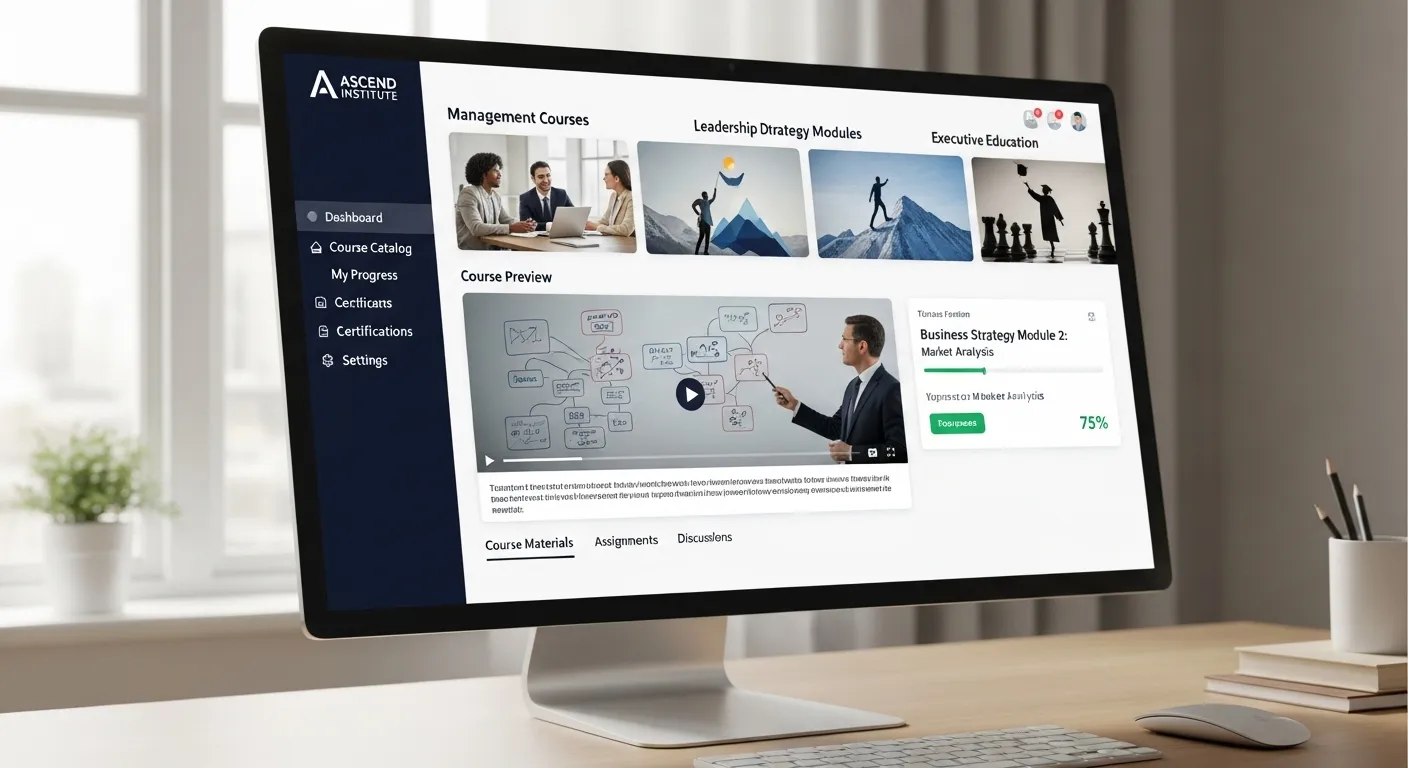
In today's competitive job market, continuous learning is paramount. For professionals aiming to excel in finance and accounting, acquiring new skills through online courses offers a flexible and effective pathway to career advancement. This article delves into the top online finance and accounting courses, providing a ranked guide to help you master essential competencies and elevate your professional profile. Whether you're a seasoned professional looking to specialize or a newcomer eager to build a strong foundation, these curated selections will equip you with the knowledge and practical skills demanded by leading industries.
Key Points:
- Career Growth: Enhance your resume and unlock new job opportunities.
- Flexibility: Learn at your own pace, from anywhere in the world.
- In-Demand Skills: Master core finance principles and advanced accounting techniques.
- Expert-Led Instruction: Benefit from insights from industry professionals.
- Certification Value: Earn credentials that validate your expertise.
Why Invest in Online Finance and Accounting Courses?
The finance and accounting landscape is constantly evolving, driven by technological advancements, regulatory changes, and global economic shifts. To stay relevant and competitive, professionals must continuously master new skills. Online courses provide a powerful solution, offering structured learning experiences designed to impart up-to-date knowledge and practical application. They cater to diverse learning needs, from foundational concepts in financial accounting to specialized areas like forensic accounting or data analytics for finance.
Investing in these courses is not just about acquiring knowledge; it's about strategic career development. A strong understanding of financial principles and robust accounting practices can lead to promotions, higher salaries, and the ability to take on more challenging and rewarding roles. For individuals looking to pivot into finance or accounting, these courses are often the first and most crucial step.
Key Benefits of Online Learning
- Accessibility: Access high-quality education regardless of geographical location.
- Affordability: Often more cost-effective than traditional academic programs.
- Customization: Choose courses that align precisely with your career goals and current skill gaps.
- Modern Skill Development: Focus on emerging areas like fintech, AI in finance, and sustainable accounting practices.
Ranking the Top Online Finance & Accounting Courses
Selecting the right online course can be daunting, given the vast array of options. Our ranking considers factors such as curriculum depth, instructor expertise, practical application, industry recognition, and overall student satisfaction. We aim to guide you towards programs that offer the most significant return on investment for your career.
1. Coursera: Financial Accounting Fundamentals Specialization
This comprehensive specialization from Coursera, often taught by reputable university professors, provides a solid grounding in the principles of financial accounting. It covers essential topics like the accounting cycle, financial statements, and the analysis of financial performance.
- Key Modules: Introduction to Financial Accounting, Financial Statement Analysis, Accounting for Assets and Liabilities.
- Target Audience: Beginners, aspiring accountants, business professionals needing financial literacy.
- Differentiated Value: Features hands-on projects and case studies, allowing learners to apply concepts immediately. According to a recent report from the Journal of Accounting Education (2024), practical case studies significantly improve long-term retention of accounting principles.
2. edX: Introduction to Corporate Finance
Offered by prestigious institutions, edX's corporate finance courses are designed to equip learners with the knowledge to make sound financial decisions. This course typically delves into valuation, risk management, capital budgeting, and dividend policy.
- Key Modules: Time Value of Money, Risk and Return, Corporate Valuation, Financing Decisions.
- Target Audience: Mid-level professionals, aspiring financial analysts, entrepreneurs.
- Differentiated Value: Often includes simulations and interactive exercises that mirror real-world financial decision-making scenarios. This focus on decision-making aligns with the growing demand for analytical prowess in finance roles, as highlighted in a 2023 article in Financial Management Review.
3. Udemy: Advanced Excel for Finance and Accounting
Microsoft Excel is an indispensable tool in finance and accounting. Udemy offers numerous advanced courses that teach learners how to leverage Excel for financial modeling, data analysis, forecasting, and reporting.
- Key Modules: Advanced Formulas, Pivot Tables, Data Visualization, Financial Modeling Techniques.
- Target Audience: Anyone working with financial data, regardless of prior Excel expertise.
- Differentiated Value: Courses often focus on practical, job-ready skills with downloadable templates and real-world datasets. The speed at which new Excel features are adopted in professional settings makes these constantly updated courses highly valuable.
4. LinkedIn Learning: Accounting Foundations
LinkedIn Learning provides a vast library of courses, including solid foundations in accounting. These courses are typically taught by industry professionals and focus on building a strong understanding of accounting principles and practices relevant to modern businesses.
- Key Modules: Principles of Accounting, Bookkeeping Essentials, Understanding Financial Statements.
- Target Audience: Professionals seeking a foundational understanding or a refresher on accounting basics.
- Differentiated Value: Integrated directly into the LinkedIn platform, allowing for easy skill tracking and showcasing on professional profiles. This integration can enhance visibility to recruiters seeking specific accounting proficiencies.
5. FutureLearn: Forensic Accounting and Financial Crime Investigation
For those interested in the investigative side of finance, FutureLearn offers courses that explore the detection and prevention of financial crime. These courses delve into auditing techniques, fraud detection, and legal frameworks.
- Key Modules: Fraud Examination, Money Laundering, Cybercrime in Finance, Expert Witness Testimony.
- Target Audience: Auditors, investigators, legal professionals, and compliance officers.
- Differentiated Value: Unique focus on forensic accounting and financial crime, a niche but growing field. The insights provided are directly applicable to roles demanding integrity and investigative acumen, a critical aspect in today's regulatory climate. A recent white paper on financial crime trends (2025) emphasized the increasing need for specialized forensic accountants.
Emerging Trends in Online Finance and Accounting Education
The digital age has democratized access to specialized knowledge. Beyond traditional accounting and finance, online platforms are increasingly offering courses on cutting-edge topics.
Data Analytics for Finance Professionals
The ability to analyze large datasets and extract actionable insights is no longer optional; it's a necessity. Many top online platforms are now offering courses that combine financial knowledge with data analytics tools like Python, R, and SQL. These courses equip professionals to:
- Perform predictive modeling for market trends.
- Identify investment opportunities through data mining.
- Automate financial reporting and analysis.
This trend is driven by the sheer volume of financial data generated daily, making data-driven decision-making a competitive advantage.
Sustainable Finance and ESG Investing
With a growing global emphasis on environmental, social, and governance (ESG) factors, understanding sustainable finance is becoming crucial. Online courses in this area cover:
- ESG reporting standards.
- Sustainable investment strategies.
- The financial implications of climate change.
These courses are vital for professionals who want to align business practices with ethical and sustainable principles, a movement gaining significant traction in corporate boardrooms worldwide.
Making the Right Choice for Your Skill Development
When selecting an online finance or accounting course, consider the following:
- Your Career Goals: Are you looking to specialize, advance, or pivot?
- Your Current Knowledge Level: Choose a course that matches your existing expertise.
- Instructor Credibility: Look for courses taught by experienced professionals or academics.
- Course Structure and Content: Ensure the curriculum is comprehensive and up-to-date.
- Learning Style: Some courses are video-heavy, while others incorporate more reading and interactive elements.
For further guidance on developing a broader range of professional competencies, exploring articles on soft skills development can provide complementary insights. Understanding how to communicate financial information effectively, for instance, is as crucial as the numbers themselves.
Frequently Asked Questions (FAQ)
Q1: What is the fastest way to gain new skills in finance and accounting online? A: Opt for specialized certificate programs or micro-credentials that focus on in-demand skills like financial modeling, data analytics for finance, or specific accounting software. These are often more concentrated and quicker to complete than full degree programs.
Q2: Are online finance and accounting courses recognized by employers? A: Yes, reputable online courses and specializations from well-known universities and platforms like Coursera and edX are highly valued by employers. Certifications from industry bodies, often obtainable through these courses, add significant weight.
Q3: How do I know if a course will provide me with practical skills? A: Look for courses that include hands-on projects, case studies, simulations, and assignments that require you to apply what you've learned using real-world scenarios or datasets. Instructor testimonials and student reviews often highlight the practical nature of a course.
Q4: Can I learn advanced accounting topics like forensic accounting online? A: Absolutely. Many online platforms offer specialized courses and certifications in niche areas like forensic accounting, fraud detection, and international financial reporting standards (IFRS), taught by experts in those fields.
Conclusion and Next Steps
Mastering new skills in finance and accounting through online courses is an accessible and highly effective strategy for career advancement. The curated list of top online finance and accounting courses provides a strong starting point for professionals aiming to enhance their expertise. By carefully selecting programs that align with your career aspirations and focusing on acquiring in-demand competencies, you can significantly boost your professional value.
Your next step is to:
- Assess your current skills: Identify areas where you need improvement or specialization.
- Explore the recommended platforms: Browse the courses mentioned and others that pique your interest.
- Enroll and commit: Dedicate time to learning and actively engage with the course material.
We encourage you to share your experiences and favorite online courses in the comments below. For those interested in building a well-rounded professional profile, consider exploring our related articles on essential soft skills for finance professionals or guides to mastering specific financial software. Stay curious, stay learning, and embrace the opportunities that come with continuous skill development!