Strategic Learning Paths: Boost Your Career with Online Courses
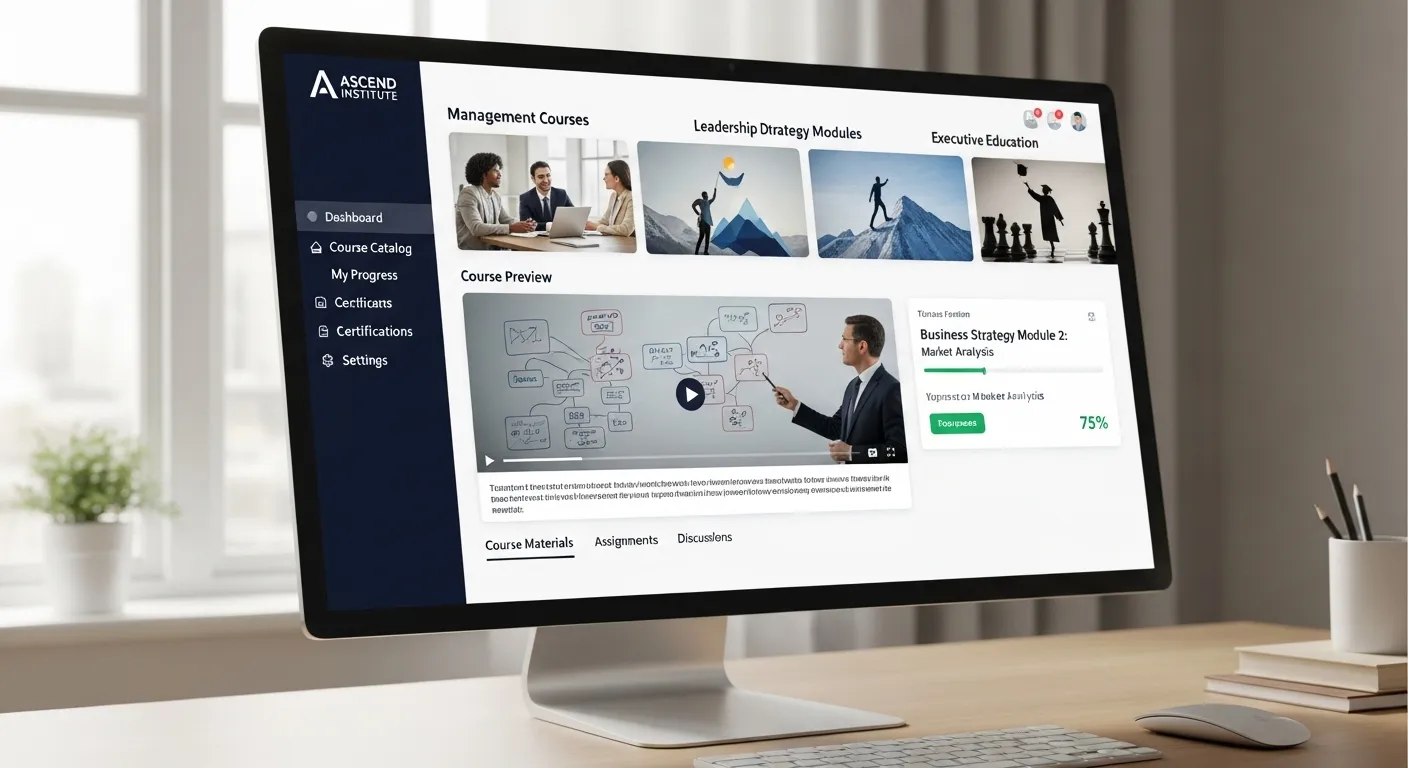
Strategic Learning Paths: Boost Your Career with Online Courses
In today's rapidly evolving professional landscape, continuous learning isn't just an advantage—it's a necessity. Crafting strategic learning paths through online courses offers an unparalleled opportunity to not only keep pace but to actively accelerate your career growth. This article explores how targeted digital education can equip you with in-demand skills, open new doors, and significantly boost your professional trajectory. By embracing a proactive approach to skill development, you can transform your career outlook and secure your position as a valuable asset in any industry.
Key Points:
- Personalized Growth: Tailor your learning to specific career goals.
- Skill Enhancement: Acquire in-demand skills efficiently and flexibly.
- Career Advancement: Unlock promotions and new job opportunities.
- Market Relevance: Stay competitive by adapting to industry changes.
- Flexible Learning: Integrate education seamlessly into your busy life.
Unlocking Career Growth with Strategic Online Learning Paths
The modern job market is characterized by constant innovation and disruption. Roles that were once stable now require evolving skill sets, and entirely new professions emerge regularly. This dynamic environment underscores the critical importance of continuous professional development. Embracing strategic learning paths allows individuals to proactively address skill gaps, anticipate future industry needs, and position themselves for long-term success. Rather than reacting to changes, a strategic approach empowers you to shape your career trajectory.
Online courses have emerged as a cornerstone of this strategic approach, offering unprecedented flexibility and access to specialized knowledge. They dismantle traditional barriers to education, making it possible for professionals at any stage to pursue advanced training without disrupting their current commitments. This accessibility is crucial for those looking to boost their career with online courses, providing a practical avenue for skill enhancement and personal growth. The ability to learn at your own pace, from anywhere, means that professional development can truly become a lifelong endeavor.
Identifying Your Ideal Strategic Learning Path
Embarking on a strategic learning journey begins with introspection and market awareness. Understanding your current strengths, identifying areas for improvement, and aligning these with your long-term career aspirations are crucial first steps. This process involves a thorough self-assessment, evaluating your existing competencies against the demands of your desired roles or industries. It's about asking: What skills will make me indispensable in the next 3-5 years?
Following this, comprehensive market research is essential. Analyze job descriptions for roles you aspire to, observe emerging trends in your industry, and identify the most sought-after skills. This skill gap analysis will illuminate the specific knowledge and abilities you need to acquire. For instance, a 2024 report by the World Economic Forum highlighted that critical thinking, AI literacy, and complex problem-solving are consistently among the top skills employers seek, regardless of sector. Readers interested in conducting a thorough skill gap analysis can find more resources in our professional development section.
Leveraging Industry Trends for Skill Development
Staying ahead means not just reacting to current demands but anticipating future ones. This involves actively monitoring industry trends, technological advancements, and shifts in consumer behavior. For example, the rapid integration of artificial intelligence across various sectors means that understanding AI fundamentals, machine learning, or data analytics is becoming increasingly valuable. Similarly, the growing emphasis on sustainability and ethical practices is creating demand for professionals with expertise in green technologies and corporate social responsibility.
When selecting online courses for your strategic learning paths, prioritize programs that address these forward-looking skills. Look for courses that offer practical, hands-on experience with new tools and methodologies. This proactive approach ensures that your learning investment yields maximum returns, making you highly adaptable and resilient in a dynamic job market. Consider how micro-credentials in areas like cybersecurity or cloud computing can quickly validate your expertise in niche, high-demand fields.
The Transformative Power of Online Courses for Career Advancement
Online courses have revolutionized how professionals approach career development, offering a powerful toolkit for skill enhancement and career advancement. Their inherent flexibility allows individuals to integrate learning seamlessly into busy schedules, eliminating the need to choose between work and education. This accessibility means that geographical location is no longer a barrier to accessing world-class instruction and specialized industry training.
Beyond convenience, the sheer variety of online platforms—from massive open online courses (MOOCs) like Coursera and edX to specialized academies and university extension programs—provides an unparalleled breadth of subjects. Whether you're looking to master a new programming language, delve into digital marketing analytics, or refine your leadership capabilities, there's an online course tailored to your specific needs. This diverse ecosystem makes it easier than ever to boost your career with online courses by acquiring targeted, relevant skills.
Choosing the Right Online Courses and Platforms
Selecting the right online course is paramount to the success of your strategic learning paths. It's not just about enrolling in any program; it's about making an informed decision that aligns with your career goals and learning style. Key factors to consider include the accreditation of the course provider, the expertise and industry experience of the instructors, and the depth and practical relevance of the course content. Always check reviews and testimonials from previous learners to gauge the quality and effectiveness of the program.
Furthermore, differentiate between various types of online learning offerings. While some courses provide foundational knowledge, others lead to professional certifications or micro-credentials that are highly valued by employers. These certifications, often developed in partnership with industry leaders, can serve as powerful signals of your specialized competencies. Emphasizing curated learning experiences over simply accumulating certificates ensures that you gain truly valuable, applicable skills.
Maximizing Your Online Learning Experience
Enrolling in an online course is just the beginning; maximizing its impact requires active engagement and strategic application. Effective time management is crucial, as self-paced learning demands discipline. Setting aside dedicated study blocks and sticking to a schedule can significantly improve completion rates and retention. From my experience mentoring professionals, those who actively engage in discussion forums, participate in virtual group projects, and apply concepts to real-world scenarios see significantly better outcomes.
Don't just consume content; interact with it. Ask questions, challenge assumptions, and seek opportunities to apply what you're learning immediately in your current role or through personal projects. This hands-on application solidifies understanding and builds a portfolio of demonstrable skills. Networking with fellow learners and instructors can also open doors to new insights, collaborations, and even future career opportunities, further enhancing your strategic learning paths.
Measuring the ROI of Your Online Learning Investment
Investing time and resources into online courses for career advancement should yield tangible returns. Measuring the Return on Investment (ROI) of your learning journey involves tracking several key indicators. This includes not only the acquisition of new skills but also their direct impact on your professional trajectory. Have you been able to take on new responsibilities? Have you received a promotion or a salary increase? These are direct benefits that can be attributed to your enhanced skill set.
Building a portfolio of projects completed during your online courses is another excellent way to demonstrate your new capabilities. This tangible evidence can be invaluable during job interviews or performance reviews. A recent study published by Coursera in late 2023 indicated that 87% of learners reported career benefits, including promotions or new job opportunities, after completing a professional certificate. This data underscores the significant impact that well-chosen online learning can have.
Integrating New Skills into Your Professional Profile
Once you've acquired new skills, the next critical step is to effectively communicate them to your professional network and potential employers. Update your LinkedIn profile, highlighting new certifications, skills, and any projects or achievements related to your online learning. Similarly, revise your resume to reflect these new competencies, using keywords that align with your target roles.
During job interviews, be prepared to discuss how your online learning experiences have equipped you with specific abilities to tackle challenges and contribute value. Showcase practical examples of how you've applied your newfound knowledge. Our guide on optimizing your professional online presence offers further insights into showcasing new skills effectively. By strategically integrating your learning into your professional narrative, you solidify your position as a proactive, continuously developing professional.
FAQ Section
Q1: Are online courses truly recognized by employers?
Yes, the recognition of online courses by employers has significantly increased, especially for programs from reputable institutions or industry-specific platforms. Many employers value the initiative and specialized skills gained through online learning, particularly when accompanied by certifications or demonstrable project work. The key is to choose well-regarded courses that align with industry standards and your career goals.
Q2: How do I stay motivated with online learning?
Motivation in online learning often comes from setting clear, achievable goals and maintaining a consistent schedule. Break down large courses into smaller, manageable