Unlock Your Potential: Best Online Courses for Professionals
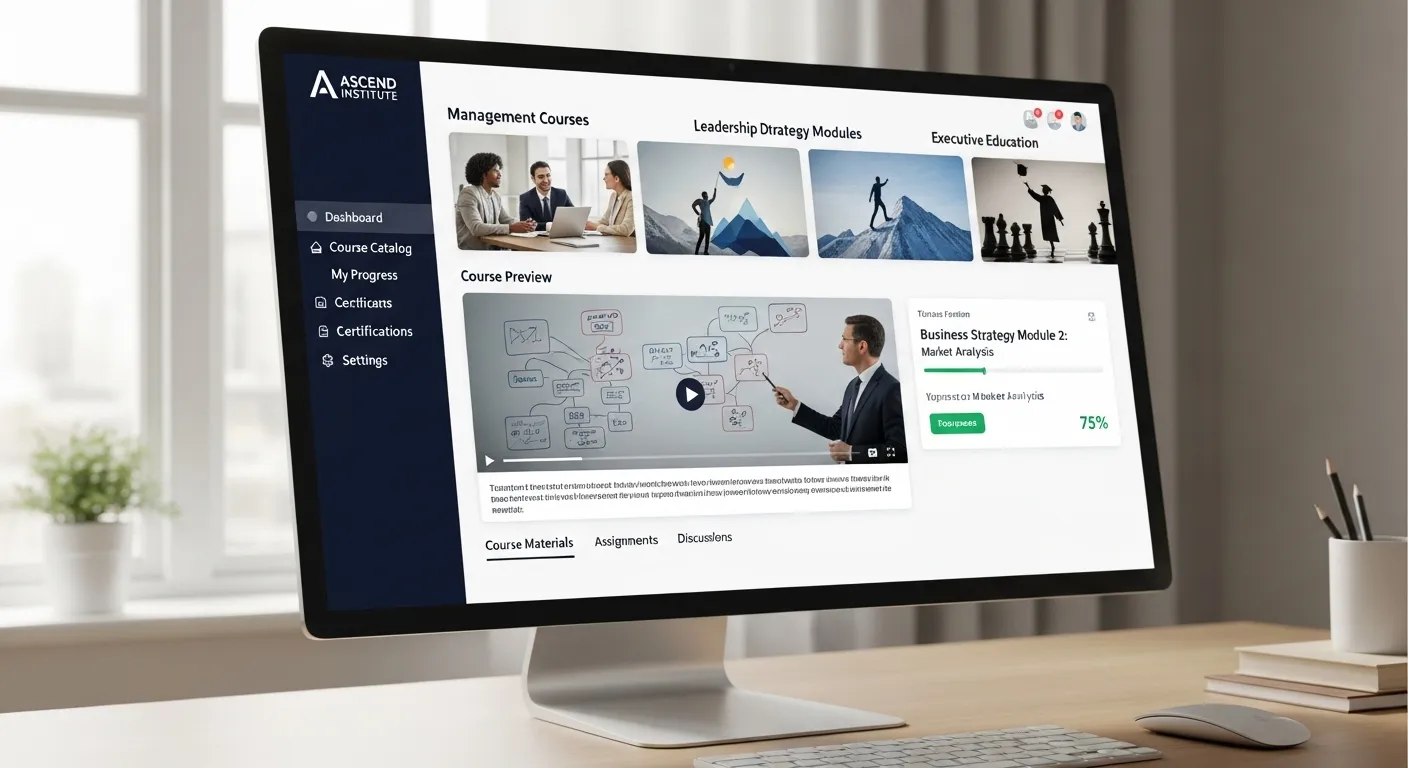
Unlock Your Potential: Best Online Courses for Professionals
In today's rapidly evolving job market, continuous learning isn't just an advantage; it's a necessity. Professionals across all industries are seeking effective ways to upskill, reskill, and stay competitive. The best online courses for professionals offer unparalleled flexibility and access to world-class education, making them an ideal solution for career advancement. This guide explores how online learning can help you unlock your potential, providing insights into top course categories, platforms, and strategies for success.
Investing in your professional development through online courses can significantly impact your career trajectory. Whether you're aiming for a promotion, a career change, or simply want to master new skills, the right online program can provide the knowledge and credentials you need. We'll delve into how these courses can bridge skill gaps and future-proof your career.
Key Points:
- Flexibility & Accessibility: Learn at your own pace, from anywhere.
- Skill Gap Bridging: Address critical industry demands and personal development areas.
- Career Growth: Enhance your resume, qualify for promotions, or pivot careers.
- Expert Instruction: Gain insights from leading academics and industry practitioners.
- Future-Proofing: Acquire skills relevant to emerging job markets and technologies.
Why Invest in Online Courses for Professional Development?
The landscape of work is constantly shifting, driven by technological advancements and global economic changes. This dynamic environment necessitates a proactive approach to skill acquisition. Online courses provide a structured yet adaptable pathway for professionals to remain relevant and valuable. They offer a practical solution for those balancing work and personal commitments.
Bridging the Skill Gap in a Dynamic Job Market
Many professionals find themselves facing a growing skill gap, where their existing expertise no longer fully aligns with current industry demands. Online learning platforms are quick to adapt, offering specialized courses that target these emerging needs. For instance, the demand for data literacy and AI proficiency has skyrocketed, and numerous online programs now cater specifically to these areas. Staying ahead of the curve is crucial for long-term career stability.
The Flexibility of Online Learning for Busy Professionals
One of the most compelling advantages of online courses is their inherent flexibility. Unlike traditional classroom settings, online programs allow you to learn on your own schedule, fitting education around your existing work and family responsibilities. This asynchronous learning model means you can access course materials, lectures, and assignments whenever it suits you best. This convenience makes the best online courses for professionals a highly attractive option.
Top Categories of Online Courses for Professionals
The range of available online courses is vast, covering almost every conceivable skill and industry. However, certain categories consistently prove to be high-impact for professional growth, particularly those focusing on both soft and technical skills.
Mastering Soft Skills: Essential for Leadership and Collaboration
Soft skills are increasingly recognized as critical for career success, often differentiating top performers. These interpersonal and communication abilities are vital in any role, from entry-level to executive leadership.
- Communication & Public Speaking: Effective communication is the bedrock of professional success. Courses in this area help refine written, verbal, and presentation skills, crucial for influencing stakeholders and leading teams. For deeper insights into effective communication strategies, readers can explore related articles on soft skills.
- Emotional Intelligence & Empathy: Understanding and managing emotions, both your own and others', is key to building strong relationships and navigating workplace dynamics. Developing high emotional intelligence can significantly boost leadership capabilities.
- Critical Thinking & Problem Solving: The ability to analyze complex situations, identify root causes, and devise innovative solutions is invaluable. These courses equip professionals with frameworks for strategic decision-making.
Technical Skills for the Future-Proof Professional
While soft skills are universal, specific technical skills are essential for staying competitive in specialized fields. These skills are often directly tied to emerging technologies and industry trends.
- Data Analytics & AI Literacy: With data driving modern business, understanding how to analyze, interpret, and leverage data is paramount. Courses in AI literacy prepare professionals to work alongside artificial intelligence tools and understand their implications. A recent report by Coursera's Global Skills Report (2024) highlighted a 30% increase in demand for AI-related skills among professionals.
- Cybersecurity Fundamentals: As digital threats grow, a basic understanding of cybersecurity principles is becoming essential for everyone, not just IT professionals. Protecting sensitive information is a shared responsibility.
- Project Management Methodologies: Mastering methodologies like Agile or Scrum can significantly improve efficiency and successful project delivery. These skills are transferable across various industries. Readers interested in specific technical skills can find more detailed guides in our technology category.
Choosing the Right Online Course Platform
Selecting the appropriate platform is crucial for a successful online learning journey. Different platforms cater to various learning styles, budget constraints, and career goals.
Factors to Consider for Effective Learning
When evaluating online courses, consider the following:
- Accreditation and Recognition: Does the course offer a recognized certificate or credit?
- Instructor Expertise: Are the instructors industry leaders or experienced academics?
- Course Content and Structure: Is the curriculum comprehensive, up-to-date, and engaging?
- Learning Support: Are there opportunities for interaction with instructors and peers?
- Cost and Time Commitment: Does it fit your budget and schedule?
- Practical Application: Does the course include projects or case studies that allow you to apply what you learn?
Leading Platforms and Their Unique Offerings
Several platforms stand out for offering the best online courses for professionals:
- Coursera: Partners with universities and companies to offer specializations, professional certificates, and even online degrees. Known for its rigorous academic content.
- edX: Similar to Coursera, offering university-level courses, often with a focus on STEM and humanities.
- LinkedIn Learning: Focuses on business, technology, and creative skills, often with shorter, practical courses taught by industry experts. Excellent for just-in-time learning.
- Udemy: Features a vast library of courses created by independent instructors, offering a wide range of niche topics and practical skills.
- MasterClass: Offers courses taught by world-renowned experts in their fields, focusing on inspiration and high-level insights.
Maximizing Your Online Learning Experience
Enrolling in an online course is just the first step. To truly unlock your potential, you need strategies to ensure you get the most out of your learning journey.
Strategies for Success and Retention
- Set Clear Goals: Define what you want to achieve before starting a course. This clarity will motivate and guide your learning.
- Create a Study Schedule: Treat online learning like any other important commitment. Block out dedicated time each week.
- Actively Participate: Engage in discussion forums, ask questions, and connect with peers.
- Take Detailed Notes: This aids retention and allows for quick review.
- Practice Regularly: Apply new concepts through exercises, projects, or real-world scenarios.
- Seek Feedback: Don't hesitate to ask instructors or peers for constructive criticism on your work.
Applying New Skills in Your Professional Role
The ultimate goal of taking online courses is to apply your new knowledge and skills to enhance your career. Look for opportunities to implement what you've learned in your current role. This could involve volunteering for a project, suggesting new approaches based on your training, or even mentoring colleagues. According to a 2023 report by Deloitte on the future of work, professionals who actively apply new skills within six months of learning them report a 25% higher rate of career advancement. Practical application solidifies learning and demonstrates your initiative to employers.
FAQ Section
Q1: Are online courses truly recognized by employers?
Yes, absolutely. The recognition of online courses by employers has significantly increased, especially with the rise of reputable platforms partnering with top universities and industry leaders. Many employers now value the initiative and specialized skills gained through online learning, often viewing professional certificates and specializations as strong indicators of a candidate's commitment to continuous improvement and practical expertise.
Q2: How much time should I dedicate to online learning each week?
The time commitment varies greatly depending on the course intensity and your learning pace. Most professional online courses suggest dedicating anywhere from 2 to 10 hours per week. It's crucial to review the course syllabus for estimated workload before enrolling. Consistency is key; even short, regular study sessions are more effective than sporadic cramming.
Q3: What's the difference between a certificate and a degree program online?
An online certificate program typically focuses on a specific skill set or area of knowledge, offering a credential upon completion that validates your expertise in that niche. Online degree programs, on the other hand, are comprehensive academic qualifications (like a Bachelor's or Master's) that cover a broader curriculum and usually require a longer time commitment, offering a more extensive educational foundation.
Q4: Can online courses help me switch careers?
Yes, online courses can be incredibly effective for career transitions. They allow you to acquire the foundational or specialized skills needed for a new industry or role without the significant time and financial commitment of a traditional degree. Many professionals use online learning to explore new fields, build a portfolio of relevant work, and gain the confidence to make a successful career pivot.
Conclusion: Your Path to Professional Growth
Investing in the best online courses for professionals is a powerful way to take control of your career trajectory. By strategically choosing courses that align with your goals and industry trends, you can acquire invaluable skills, bridge existing gaps, and position yourself for future success. The flexibility and accessibility of online learning make it an indispensable tool for continuous professional development in today's fast-paced world.
Don't wait for opportunities to come to you; create them through proactive learning. Explore the vast array of online courses available and embark on a journey of continuous growth. We encourage you to share your experiences with online learning in the comments below or subscribe to our newsletter for more insights into professional development. For further reading, consider exploring our articles on "Future of Work Trends" and "Personalized Learning Paths."